
21
Sep
NIB researchers publish article in Nature Biotechnology


 {/frontpage} Recent plant breeding techniques are often using methods of modern biotechnology. The number of different genetically modified crops is increasing and the majority of the plants approved to date carry a trait to increase resistance against insects, viruses or herbicides. Recent plant breeding techniques are often using methods of modern biotechnology. The number of different genetically modified crops is increasing and the majority of the plants approved to date carry a trait to increase resistance against insects, viruses or herbicides. To control the increasing number of different GM organisms, a reliable detection system is crucial for all samples - food, feed, seeds and plants growing in the field.
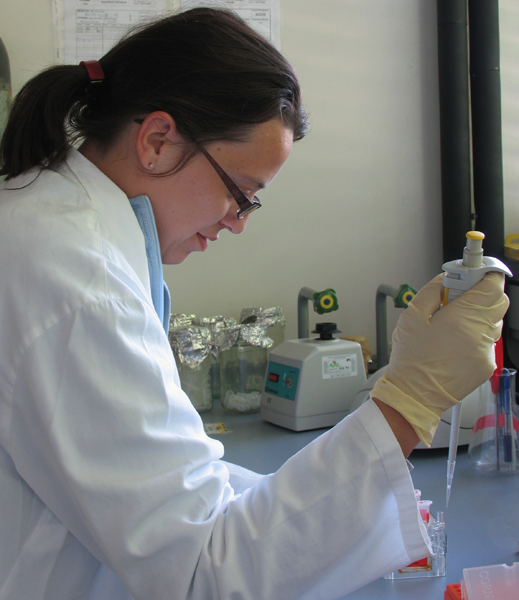
 Analyses are based on detection of inserted DNA and are done in two steps. The sample is first screened for genetic elements which are present in many different GMO. If positive, this is followed by exact identification of the GMO in the second step. According to legislation, Joint Research Centre in Ispra is a EU laboratory responsible for validation of the methods we use in this second stage, but there is no organisation obliged to develop and test the methods, that we use in the first stage of analyses. The laboratories therefore need to validate them on their own.
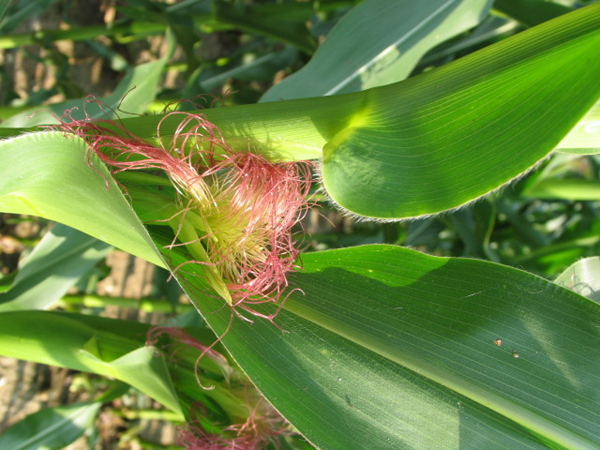
Researchers at NIB institute proposed a system solution to this problem in the August issue of Nature Biotechnology. They found a case when a detection of GM maize Herculex (TC 1507) was not fully sufficient and proved that suitability od the detection method has to be tracked even when a GMO is on the market for a longer time.
The article can be read at:
http://www.nature.com/nbt/journal/v27/n8/index.html